Home › Asphalt Milling and Reclamation
Prepare your site correctly with asphalt milling and reclamation in Boston, MA. We grind and remove worn pavement or process it in place to create a stable base for new asphalt. Milling helps correct elevations and tie new surfaces smoothly into existing structures.
Precision Asphalt Boston provides professional asphalt milling throughout Boston, MA, Massachusetts and the surrounding area. Our licensed, insured crew delivers safe, clean, on-time work with a free estimate before anything begins. Call (617) 648-5798 or request your free quote.
Asphalt Milling in Boston, MA: Fix the Surface, Preserve the Base
Asphalt milling is a cost-effective way to repair worn or uneven pavement without tearing everything out. For many driveways, parking lots, and private roads in Boston, the gravel and stone base under the asphalt is still solid. The problem is usually the top inches that have cracked, rutted, or settled over time.
Precision Asphalt Boston uses heavy milling machines to grind and remove a controlled depth of asphalt. Instead of doing a full-depth replacement, we keep your existing base, correct surface problems, and then install fresh pavement on top. This is especially useful on older properties in Boston where the base has compacted for decades and is very stable.
If you have standing water after storms, uneven transitions to sidewalks, or layers of old patchwork from winter pothole repairs, asphalt milling is often the right fix. It lets us reset elevations, smooth out rough areas, and prepare a strong, clean surface for new asphalt without disturbing utilities or curbs.
How Asphalt Milling and Reclamation Work Step by Step
A proper milling or reclamation project follows a clear sequence so the finished surface is smooth and durable.
First, we inspect your pavement and take note of drainage issues, cracks, and soft spots. On Boston properties this often includes checking manholes, catch basins, and granite curbs so they line up properly after work is done.
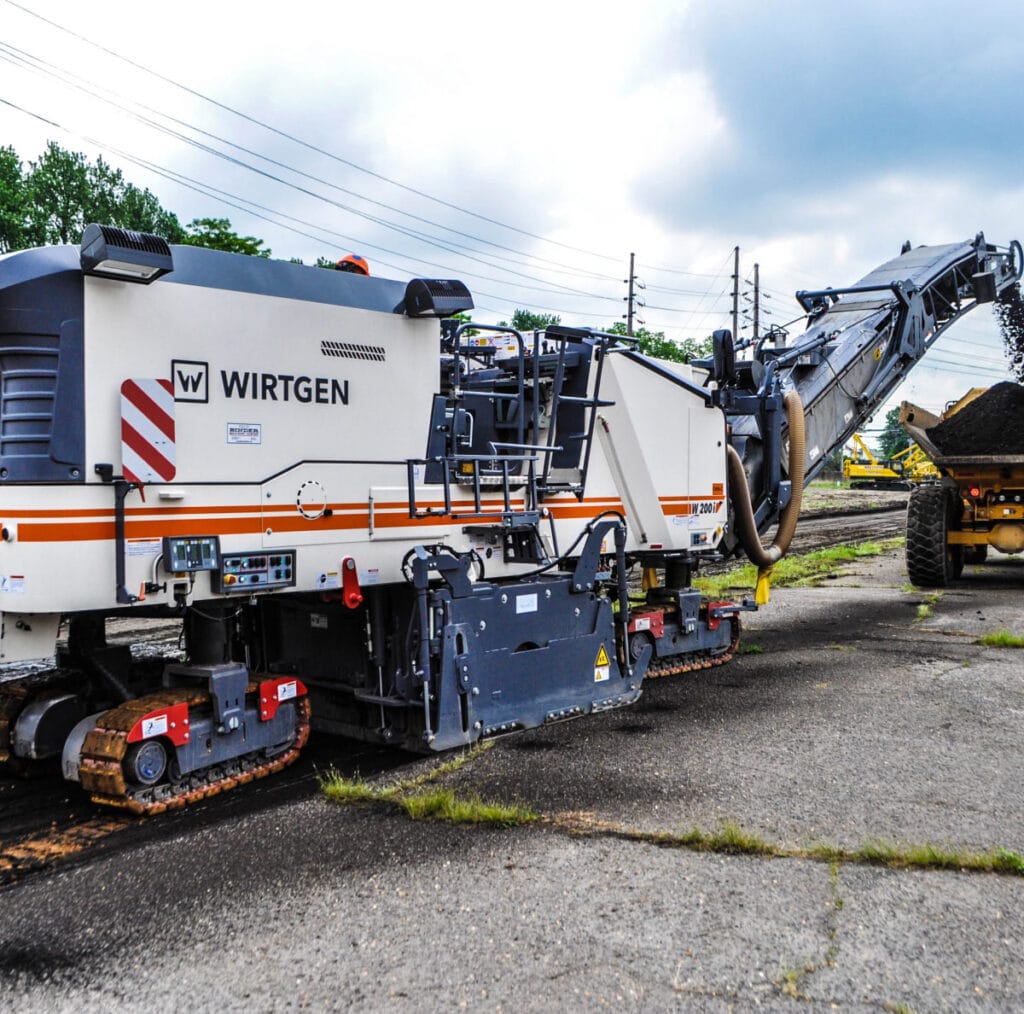
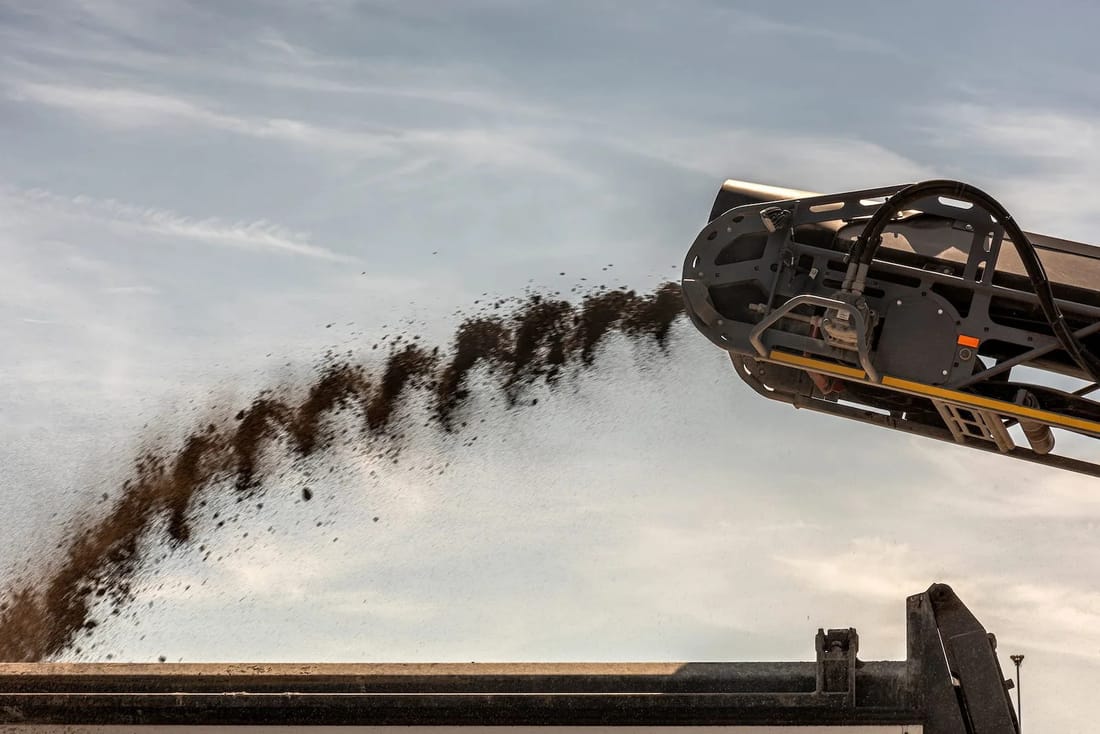
Next, we set the milling depth, usually between 1 and 3 inches for most driveways and parking lots. Our milling machine grinds the asphalt into small pieces and a conveyor loads it into dump trucks. The material is hauled to an asphalt plant to be recycled, which saves on disposal and material costs.
After milling, we sweep and clean the surface thoroughly so the new asphalt will bond well. We then adjust iron structures like utility covers and drainage grates so they sit at the right final height. If we are doing full-depth reclamation on a badly failed area, we use a reclaimer to grind the old asphalt and base together, then reshape and compact it to create a stronger foundation.
Finally, we pave with new hot mix asphalt, compact it with steel and rubber-tire rollers, and check joints and transitions to existing surfaces. The result is a smooth, level pavement that looks new but is built on a proven base.
Milling vs Full-Depth Reclamation: Which One You Need
Asphalt milling and full-depth reclamation are related services but they solve different problems.
Milling is best when the surface is worn, cracked, or rutted but the base underneath is still solid. This is common in Boston parking lots that are 15 to 25 years old, or driveways that have been paved once or twice before. We remove only the top layer, fix drainage and smoothness, then repave.
Full-depth reclamation is used when the pavement has widespread deep cracking, severe settling, or base failures. Instead of just shaving the surface, we pulverize the asphalt and the base together to a depth of 6 to 10 inches, add stone or stabilizing agents if needed, grade it, and compact it into a new base layer. Then we pave new asphalt on top. This is often the right choice for older commercial lots in industrial parts of Boston or private roads that were never built to modern standards.
Precision Asphalt Boston will not push a more expensive option if you do not need it. We explain where your pavement is failing, show you sections that can be milled and saved, and identify any areas where reclamation or base repair is truly necessary.
Typical Boston Properties We Mill and Reclaim
The way we plan milling and reclamation work depends a lot on the type of property and how it is used.
For residential driveways in Boston neighborhoods like Dorchester, West Roxbury, and East Boston, we focus on driveway pitch and how water leaves the property. Many older multi-family homes have narrow driveways next to foundations, so we use milling to lower high spots that currently push water toward the building, then repave with a safer slope away from the house.
For commercial parking lots, such as medical offices in Brighton or retail plazas in Roslindale, traffic flow and limited downtime are major concerns. We often phase milling work so part of the lot stays open. We also make sure entrances, ADA ramps, and walkways transition smoothly to new asphalt heights.
For condo associations and private roads, especially in hilly parts of Jamaica Plain or Mission Hill, we use milling or reclamation to address long-term rutting from plow trucks and delivery vehicles. The goal is to eliminate low spots where ice forms in winter and to set consistent thickness so future maintenance is easier and more predictable.
What Drives the Cost of Asphalt Milling and Reclamation
Several real factors influence the cost of an asphalt milling or reclamation project in Boston.
Area and depth are the biggest drivers. A 1 inch skim mill on a small driveway uses less equipment time and asphalt than a 3 inch mill on a large commercial lot. Reclamation costs more than milling alone because we are rebuilding the base, not just resetting the surface.
Access and layout matters. Tight driveways in older Boston neighborhoods can require smaller equipment and more hand work. Large open lots are more efficient to mill but may involve more drainage structures and manholes to adjust. Steep grades or limited truck access can add time and planning.
Existing conditions also affect price. If milling exposes soft spots where the base is not stable, we may need to undercut and replace stone in those areas before paving. We explain these potential extras up front so you know what could change once we open up the surface.
Finally, timing plays a role. Working off-hours to avoid disrupting a busy commercial property may cost a bit more, but for many Boston businesses the reduced interruption is worth it. Precision Asphalt Boston provides clear, itemized quotes so you understand where every cost comes from.
Common Problems and How Precision Asphalt Boston Handles Them
Asphalt milling and reclamation can uncover hidden issues that were not visible on the surface. How those issues are handled affects the life of your new pavement.
One common problem is discovering thin or poorly compacted base material, especially in older driveways that were originally built as gravel and later paved. When we see deflection or pumping during milling, we mark those areas, excavate the weak base, and rebuild it with proper crushed stone before we repave.
Drainage is another frequent issue in Boston, given freeze thaw cycles and older site grades. After milling, we take the opportunity to fine grade the surface to correct low spots and improve water flow to catch basins or daylight. If needed, we can recommend adding drains or reworking specific slopes so you are not stuck with puddles on your new pavement.
Transitions around existing concrete, brick walkways, and granite curbs take special attention. We carefully control milling depth near these features so the new asphalt ties in cleanly, without trip edges or water ledges. Before we leave, we walk the site with you so any concerns about access, bump points, or drainage are addressed.
What Boston Property Owners Should Ask Before Hiring
If you are considering asphalt milling or reclamation, a few direct questions will help you choose a contractor that will do the work correctly.
Ask how the milling depth will be chosen, and whether they will adjust that depth on site if they encounter base problems. A reputable contractor should describe how they will handle soft spots and how much base repair allowance is included or excluded from your estimate.
Ask what type of asphalt mix and thickness they plan to install after milling or reclamation. In Boston, most driveways should receive at least 2 inches of compacted surface asphalt, and heavier-use lots may need a base and surface course.
Ask how they will protect adjacent surfaces and structures. This includes sweeping up milled material, managing dust, and preventing damage to curbs, walkways, and landscaping.
Precision Asphalt Boston encourages these conversations. We provide written scopes that spell out milling or reclamation depths, any expected base repairs, paving thicknesses, and how we will handle drainage and transitions on your specific Boston property.